
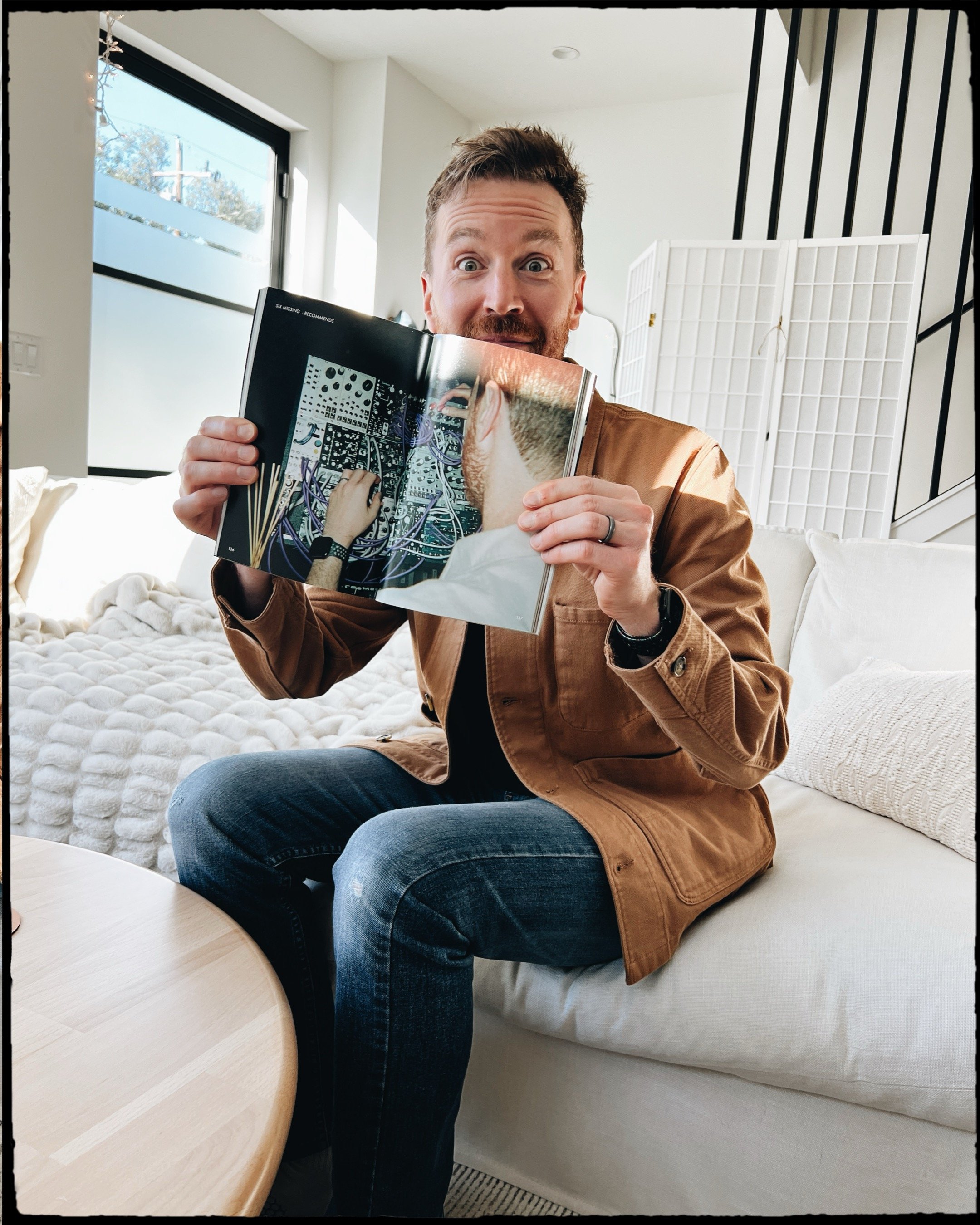
Synth History Recommends
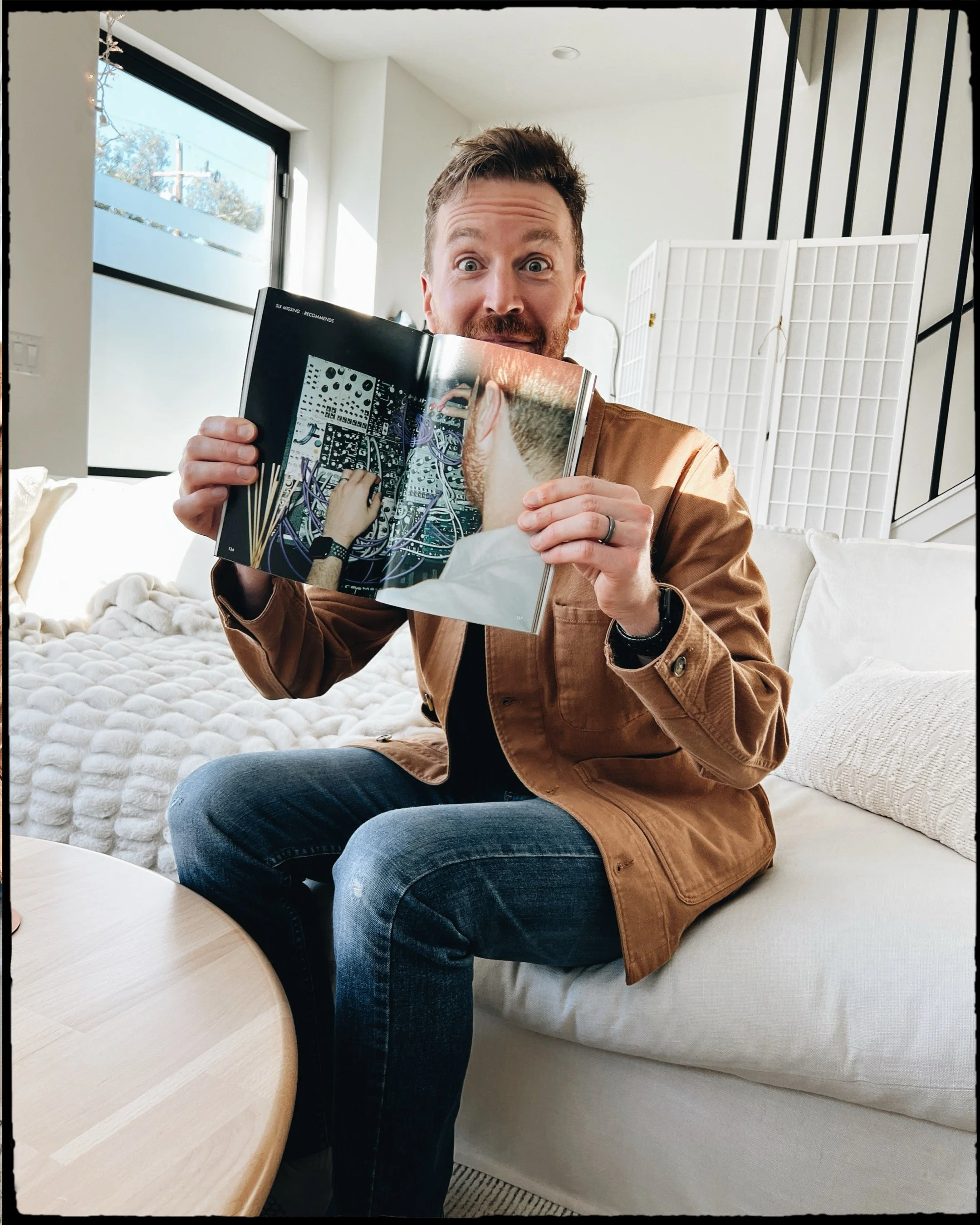
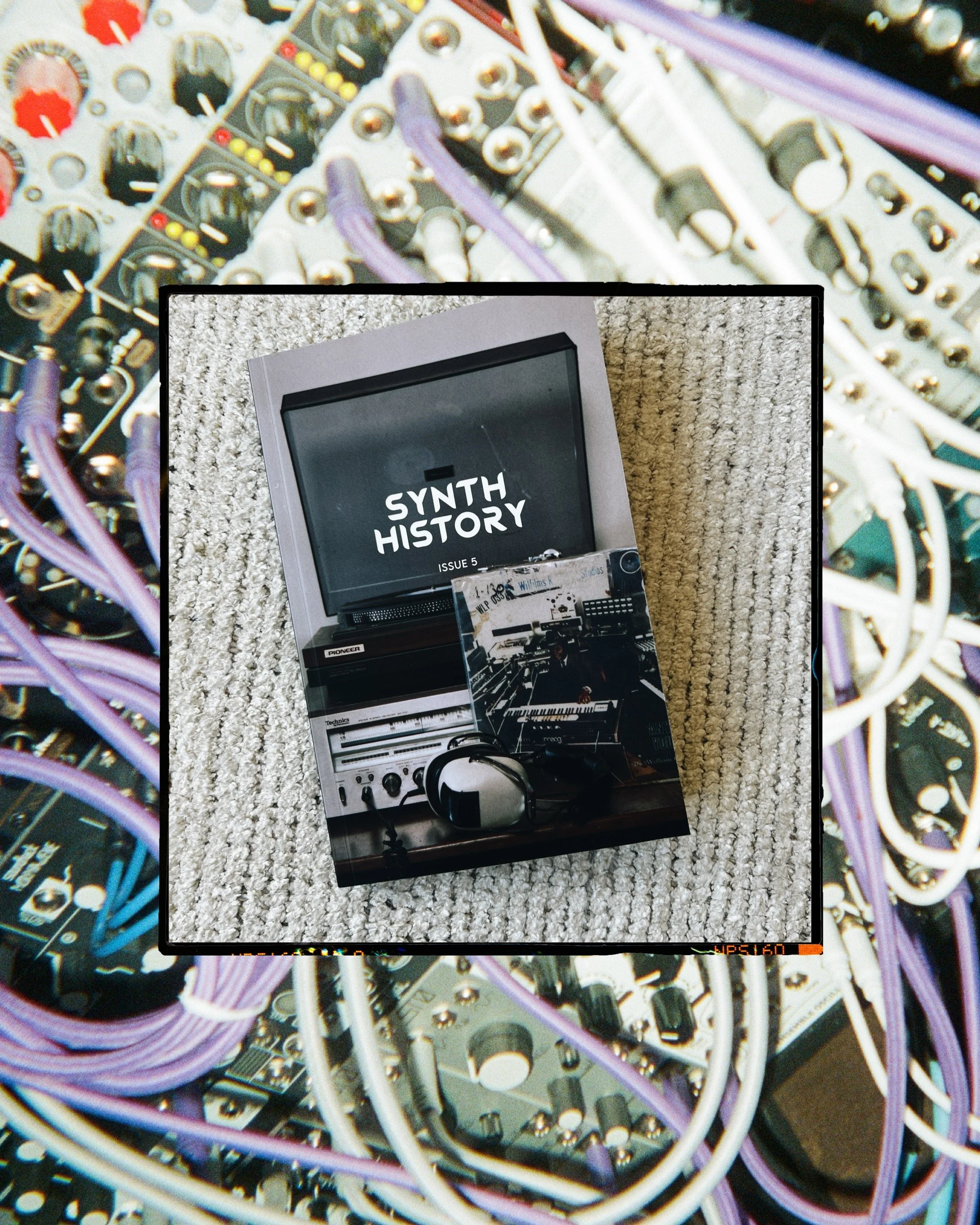
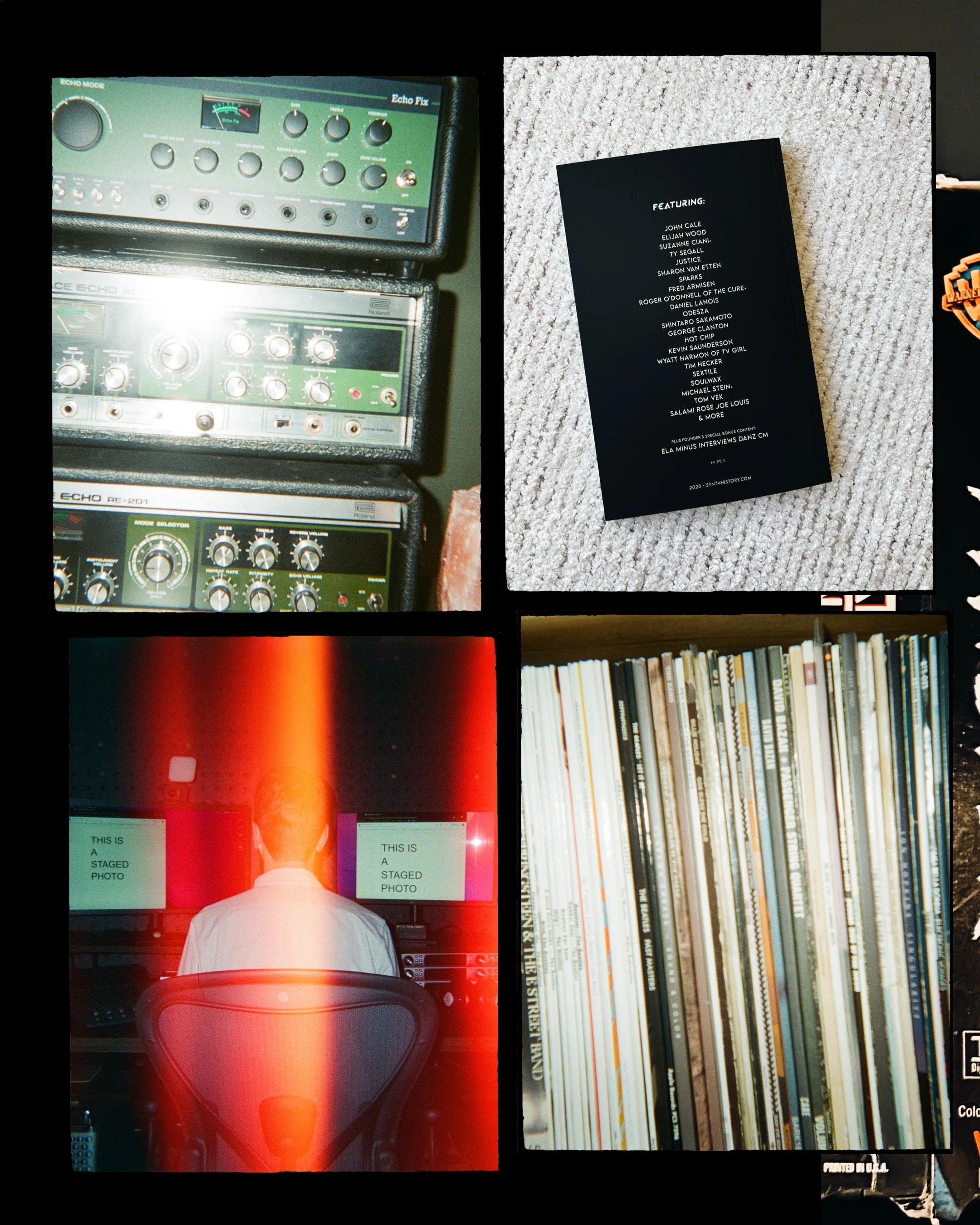
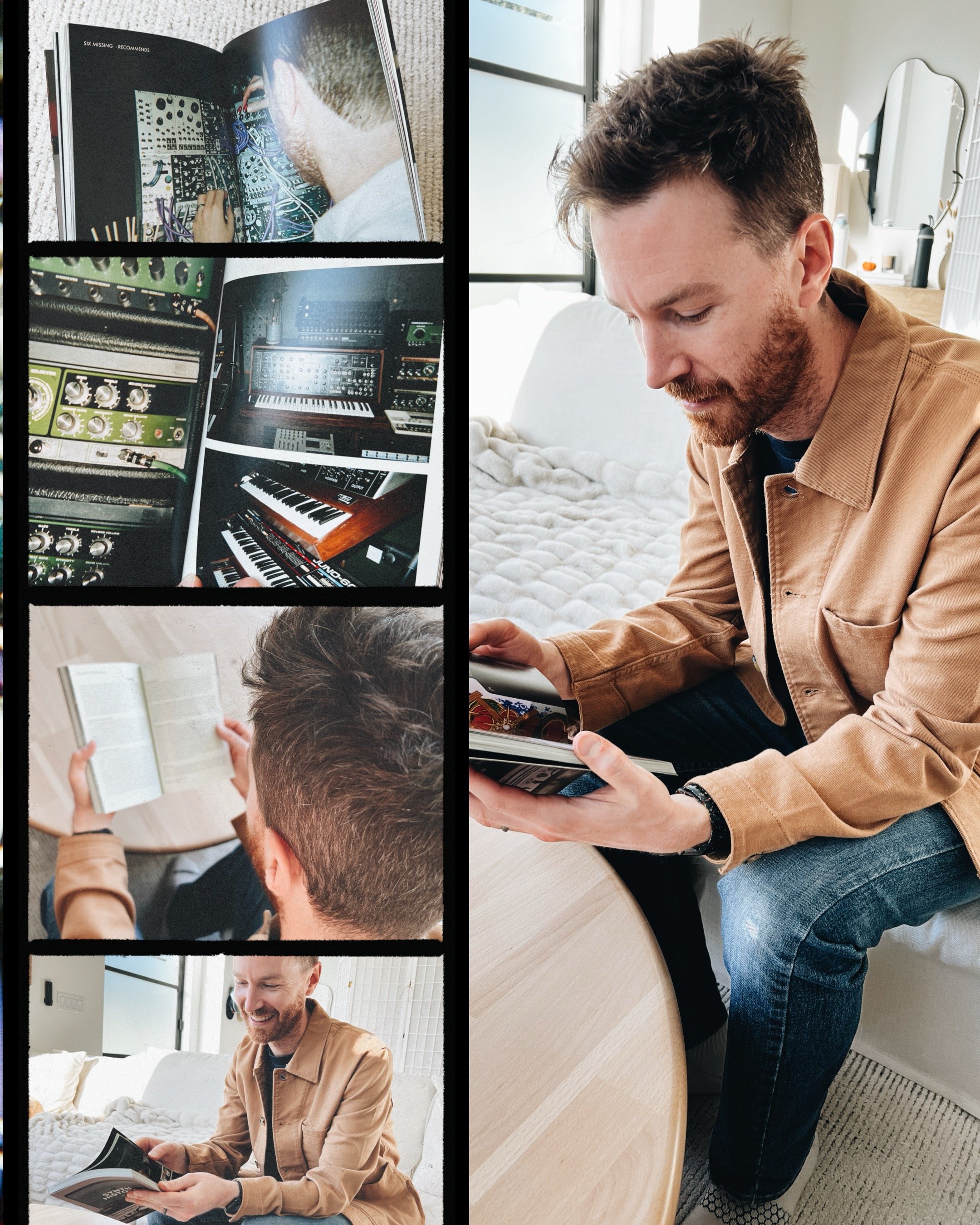
Being Featured in Synth History Vol. 5 -- Finding My Place
You can read the full Recommends feature here:
https://www.synthhistory.com/post/six-missing-recommends
I wanted to share something that genuinely stopped me in my tracks.
I’m featured in Synth History Vol. 5 — the physical zine — and also on their website as part of their Recommends Series.
That still feels surreal to type.
I first discovered Synth History on a plane, flipping through Volume 2, and immediately felt something click. The care in the layout. The tactile feel of the paper. The depth of the writing. It wasn’t just about synths — it was about why we’re drawn to these machines in the first place.
It felt like finding my place.
Fast forward a few volumes later, and now I’m somehow in actual ink, alongside artists I deeply admire. That kind of full-circle moment doesn’t happen often — and when it does, you really feel it in your chest.
Synth History as a Living Document
What Dan and the Synth History team have built is special. This isn’t gear fetishism or trend chasing — it’s documentation. Culture. Memory.
In a time when so much of music exists fleetingly on screens, there’s something grounding about a printed object that asks you to slow down, sit with it, and turn pages. That philosophy mirrors how I like to work musically — hands on, ears open, patience intact.
Holding Vol. 5 feels like holding a small piece of collective history.
The Recommends Series
For the Recommends Series, I was asked to list 10–15 studio essentials — instruments and tools that have shaped how I hear, feel, and create.
What I appreciated most about the prompt was that it wasn’t about productivity or optimization. It was about relationship.
Two pieces I spoke about in depth were my Korg PS-3100 and the EarthQuaker Devices Avalanche Run — both of which feel less like gear and more like collaborators.
The PS-3100 is big, heavy, temperamental, and already feels like it has a will of its own. It’s been in the shop more than once — and I’ll still never give it up. There’s something mystifying about it that I was actively searching for. The interface invites you to touch it, to play, to mess things up and see where they land. Watching Ólafur Arnalds speak about the PS-3100 years ago made me realize he was talking about synths the same way I do — almost poetically. That moment sent me on a long hunt until I finally found one, had it put on a plane, and picked it up at the airport like a precious artifact.
And then there’s the Avalanche Run.
I don’t say this lightly — that pedal changed the entire course of my musical life. I bought it at Main Drag Music in Williamsburg, and the person ringing me up smiled and said, “Hope you enjoy losing time for three days.” They weren’t wrong.
My first Six Missing release was born entirely out of improvising with that pedal — one long session of me playing with it and it playing back at me. It’s a universe. A texture engine. A collaborator that chews sound into something elastic and strange and beautiful. If I ever had to choose just one pedal to perform with, it would be the Avalanche Run. No question.
Gratitude
Huge thanks to Synth History for including me — both in Vol. 5 of the physical zine and online. It means more than I can properly articulate.
And thank you to everyone who listens, supports, reads, and makes space for this kind of slow, intentional work. None of it exists in isolation.
If you’re into synthesizers, ambient music, or thoughtful creative culture, I can’t recommend Synth History enough. And if you can get your hands on a physical copy — do it. Some things really are better when you can hold them.
You can read the full Recommends feature here:
https://www.synthhistory.com/post/six-missing-recommends

Without Mind: An Album Designed for Deep Listening in a Distracted World
In a world where music is often consumed in fragments — a playlist here, a 15-second clip there — Without Mind was always meant to be something else entirely. It’s not background noise, it’s not a quick dopamine hit, and it’s certainly not made for skipping through. This record asks you to lean in, stay awhile, and let the sound pull you somewhere quieter.
When I began Without Mind, it was in the context of a single, transformative experience: creating an improvised soundtrack for ketamine-assisted therapy. The music unfolded in real time, with no edits, no plan — just instinct, emotion, and the tools around me. Modular synths, my Moog Matriarch, Minimoog, and the physical space itself all conspired to create textures that felt alive and unpredictable. That spirit carried through the entire trilogy.
I chose to release it in three parts before the full album dropped — a deliberate push against the “all at once, onto the next” mentality that dominates streaming culture. I wanted each section to have its own breathing room, to give listeners a chance to live inside it before moving on. Now that it’s all together, all 12 tracks, it feels like the record I always envisioned: big, dense, and immersive, but with moments of stillness that invite you to exhale.
The title, Without Mind, comes from the idea of being fully present without the constant narration of thought — the meditative state where awareness expands beyond words. That’s the listening posture I hope for: no pressure, no expectation, just allowing yourself to be carried.
If you can, try listening front to back in one sitting. Put your phone on the other side of the room. Maybe close your eyes. Let the room change shape. Let the layers reveal themselves. You’ll hear the deliberate imperfections, the subtle tape warble, the spaces where the gear was breathing on its own. That’s where the humanity is. That’s where I’m most at home.
And if you prefer something physical, the limited-edition 3xLP vinyl is out now — hand-numbered, beautifully packaged, and meant to be as much an art object as a listening experience.


Six Missing: The Ghostly Encounter That Inspired My Name
Some moments never leave you. They linger in the back of your mind, shifting and reshaping over time, but always present. My ghostly encounter was one of those moments, and it ultimately led to the name Six Missing—a name that now defines my music, my sound, and the unseen layers of existence I explore through ambient composition.
A Haunted Recording Session
Years ago, my band and I traveled to West Chester, Pennsylvania, to record an album at a studio near the Brandywine Battlefield, a site steeped in Revolutionary War history. The property had an eerie stillness to it, an almost unsettling quiet that seemed to hum beneath the surface.
We stayed in a small cottage on the grounds, separate from the main studio. Late one night, after a long session, I realized I had left something behind in the control room. I made the short walk alone, stepping into the darkened space, where the only sounds were the occasional creaks of an old building settling into the night.
As I retrieved my gear and turned to leave, a sudden, overwhelming sensation crept over me—an unshakable feeling that I was being watched. The air felt thick, pressing against my skin like static before a storm. I hurried back to the cottage, convincing myself it was just my imagination. But what happened next made me question everything.
A Presence in the Night
I climbed into my bunk, trying to shake the unease, when the silence was broken by the slow creak of the screen door opening. My body froze. I strained to listen, waiting for the sound of footsteps—someone from the band, maybe—but there was nothing. Just an emptiness stretching through the dark.
Then, without warning, a piercing, ice-cold sensation shot through the center of my back. It was as if something—someone—had pressed into me, sending a wave of despair and weightlessness through my entire body. I tried to move, to turn, but I was completely paralyzed. A deep, sinking feeling overtook me, a sensation I can only describe as slipping into the void.
I don’t know how long it lasted, but at some point, I remembered something I had seen on a ghost hunting show—speak with authority, take control. Summoning every ounce of strength, I forced out the words: LEAVE ME ALONE.
The moment I spoke, the weight lifted. My breath came back in a rush, my limbs unlocked, and the air in the room shifted. Then, just as clearly as before, I heard the screen door creak open again—and then softly close.
The Missing Six
The next morning, I hesitantly brought it up to the rest of the band, expecting them to laugh it off. But one of them turned pale. He had woken up in the night and heard the door open too, thinking it was one of us stepping outside.
Later, curiosity got the best of me, and I started researching the area. That’s when I came across the historical records—six soldiers from the Battle of Brandywine were documented as missing. Their bodies were never found, their stories lost to time.
I couldn’t shake the connection. Whether what I experienced was tied to them or not, it felt like more than a coincidence. The idea of something unseen but present—of spirits lingering just beyond perception—stayed with me. It resonated deeply with how I think about sound, about atmosphere, about the spaces between notes where emotion truly lives.
The Sound of the Unseen
When I started releasing music under the name Six Missing, it wasn’t just a nod to that night. It was about everything the experience represented: the unseen, the unknown, the way sound and memory intertwine. My ambient compositions aim to capture that—textures that feel both present and distant, melodies that drift like echoes through time.
There’s something powerful about what exists just beyond our reach. Whether in history, in memory, or in sound, the missing pieces often tell the most compelling stories.
That’s what Six Missing is about—creating music that lingers in the in-between, that resonates in the quiet spaces, and that, maybe, just maybe, touches something beyond what we can see.
A Soundtrack to the Unexplained
If you’ve ever felt something inexplicable—an eerie presence, an unshakable familiarity with a place you’ve never been—then you understand the feeling I chase in my music. My compositions are not just about melody or harmony; they are about atmosphere, memory, and the spaces in between.
I want my music to be a soundtrack for those moments when reality feels just a little thinner, when time slows, and the unseen world brushes against our own. Whether you listen for meditation, for deep focus, or simply to lose yourself in sound, know that you are stepping into that same ethereal space—where stories linger, where echoes fade, and where the missing are never truly gone.
Until next time, Your fellow human just being.
Six Missing
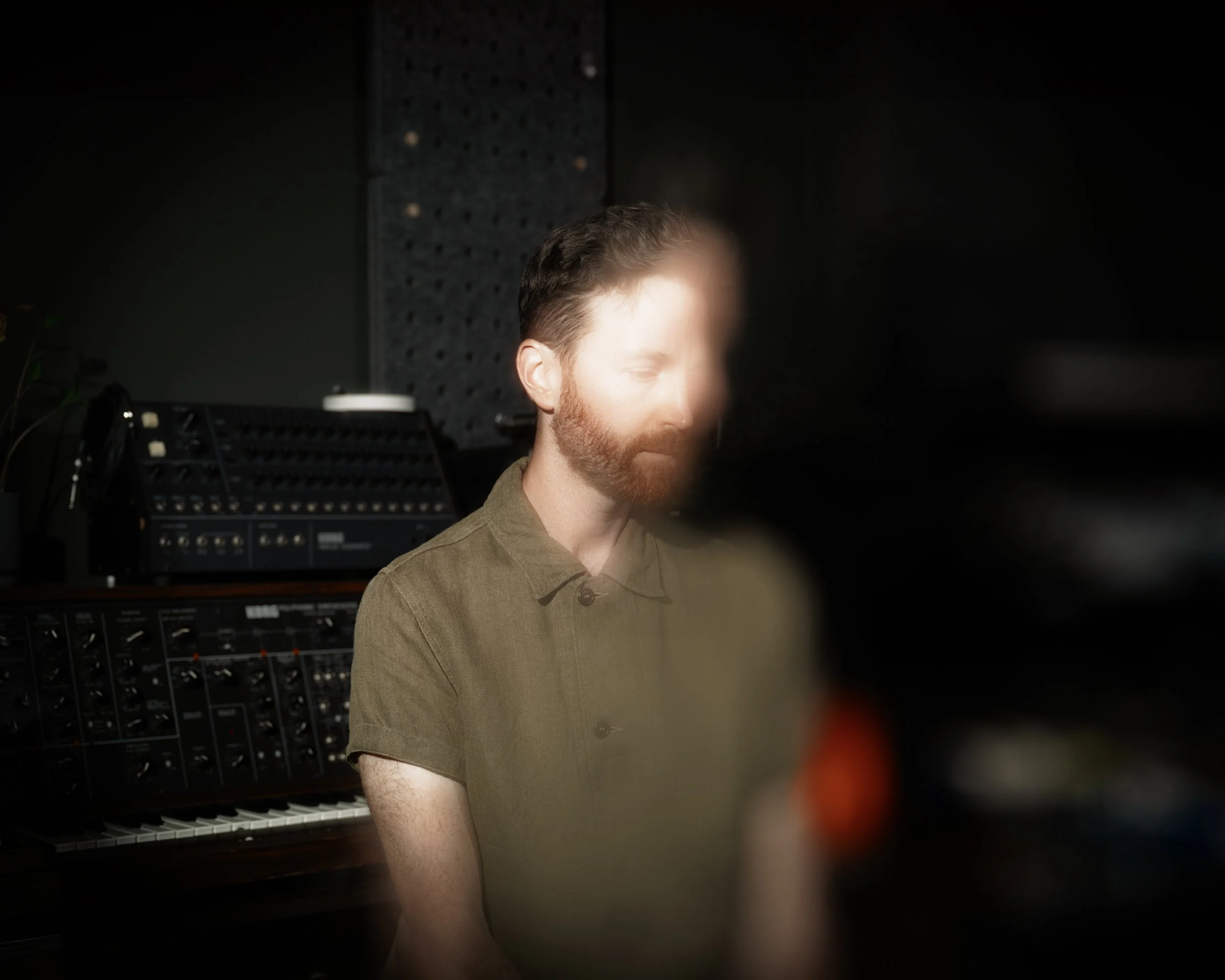
Who I Am & Why I Make Music
Who I Am & Why I Make Music
Music has always been a way for me to process the world—its beauty, its weight, and the in-between spaces where emotions live. From my earliest memories, sound fascinated me. I was drawn not just to melodies but to the textures of sound, the way it could envelop you like a warm embrace or stretch out into the distance like a horizon at dusk. That fascination never faded; it only deepened, eventually leading me to create Six Missing.
A Sonic Beginning
My journey started with the piano, my first instrument. While I found traditional lessons slow-paced, I quickly discovered that I could play by ear, and that felt far more natural. But it wasn’t until I stumbled upon my Uncle Chuck’s 1964 Gretsch Clipper in my grandparents’ attic that my love for music truly ignited. Surrounded by stacks of vinyl records, I felt an instant connection to the instrument, sparking a passion that would guide me for years to come.
Like many guitarists, I was shaped by classic rock, and Led Zeppelin’s IV was my gateway. The moment I heard the solo in “Stairway to Heaven,” I was hooked. But it wasn’t just the guitar work that fascinated me—it was the atmosphere, the space between the notes, the way sound could transport you.
The Path to Six Missing
As I grew, my musical tastes evolved. I explored delay pedals and looping, captivated by the infinite layers they could create. My first pedals—a Jekyll & Hyde distortion, a Zoom 606 multi-effects unit, and eventually a Boss DD-6—opened the door to soundscapes that felt boundless. By the time I transitioned to synths, beginning with the Korg Minilogue, my focus had shifted from traditional songwriting to immersive sonic exploration. Discovering vintage synths like the Moog Memorymoog and the Juno-60 further deepened my understanding of texture and space, shaping the sonic identity of Six Missing.
But the defining moment for Six Missing came in Astoria, Queens. What began as a simple guitar looping project evolved into something deeper. Encouraged by friends, I released my early ambient explorations, and the response was unexpectedly encouraging. It was clear that people connected to this music—not just as entertainment, but as a space for meditation, deep focus, and healing.
Why I Create
For me, music is more than sound—it’s a means of connection, a way to navigate the complexities of being human. I’ve found that ambient music, in particular, holds a unique power. It allows the mind to wander, to rest, to breathe. It can offer solace in moments of anxiety, a moment of stillness in a chaotic world.
That’s why I create. Whether it’s for someone meditating, studying, or simply needing a pause from the noise of everyday life, my goal is to craft soundscapes that offer space—to think, to feel, to just be.
This blog will be a place to share my journey—how Six Missing came to be, the struggles I’ve faced, and the inspirations that continue to shape my sound. If you’re here, I hope you find something that resonates with you.
Until next time, Your fellow human just being.
Six Missing