
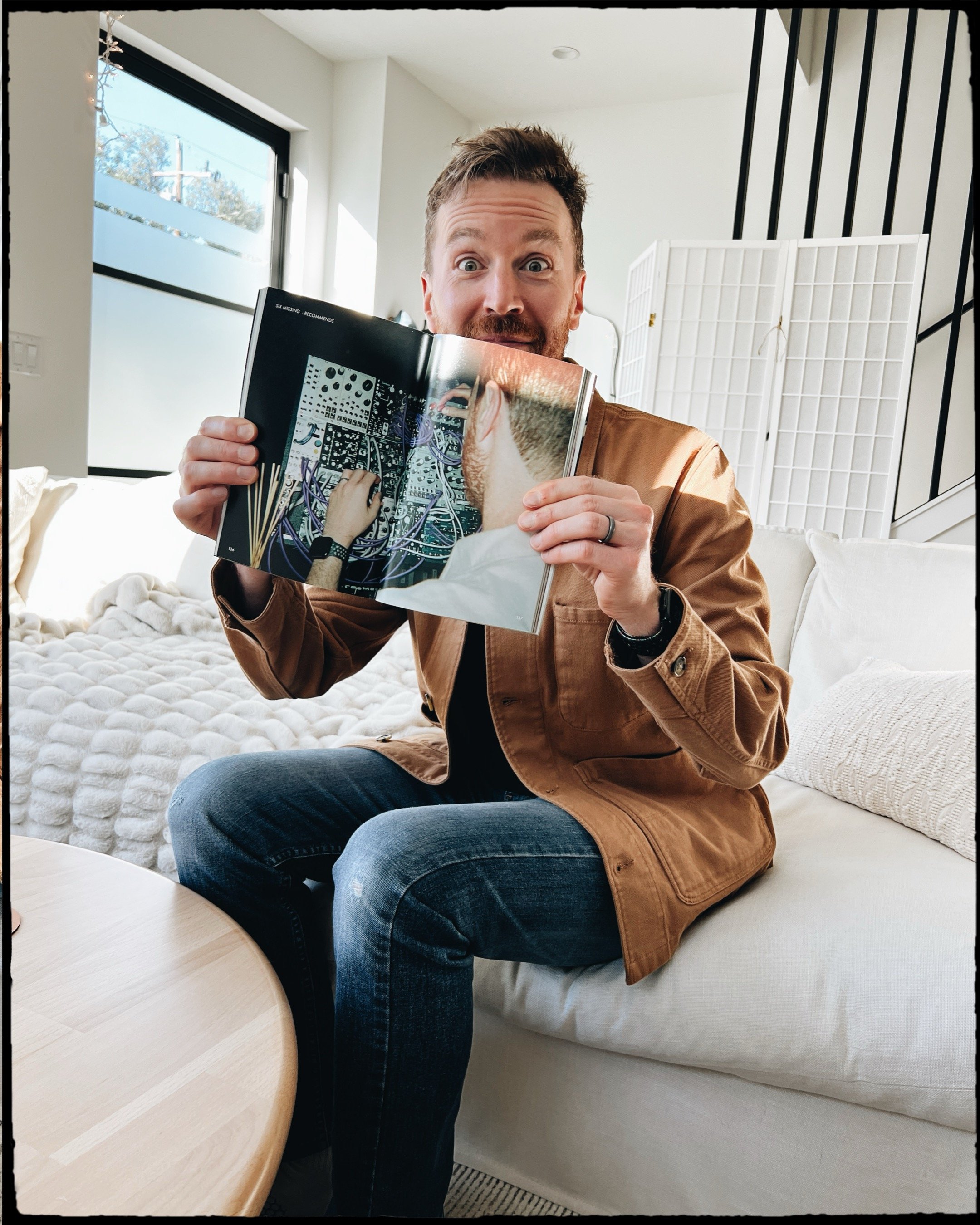
Synth History Recommends
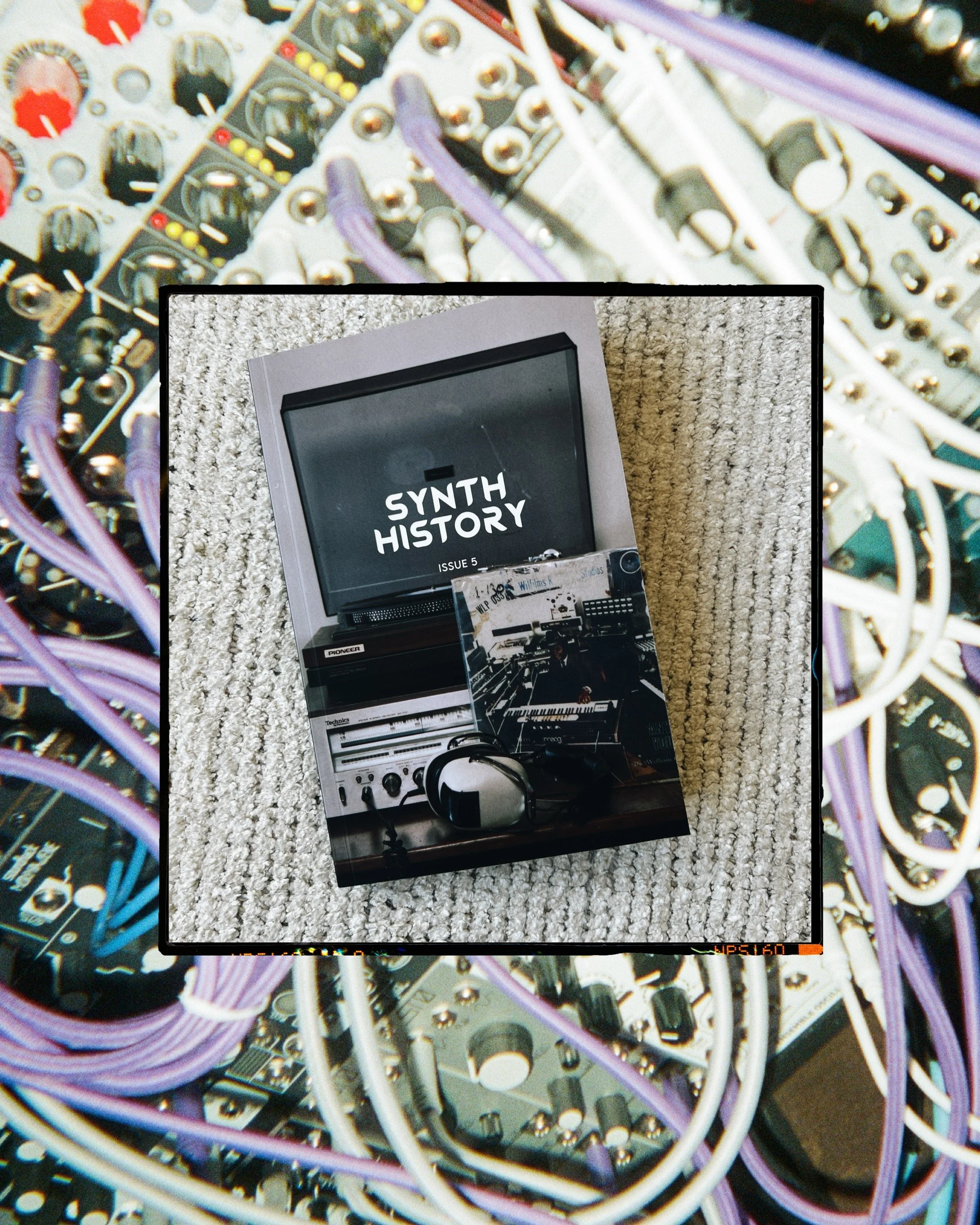
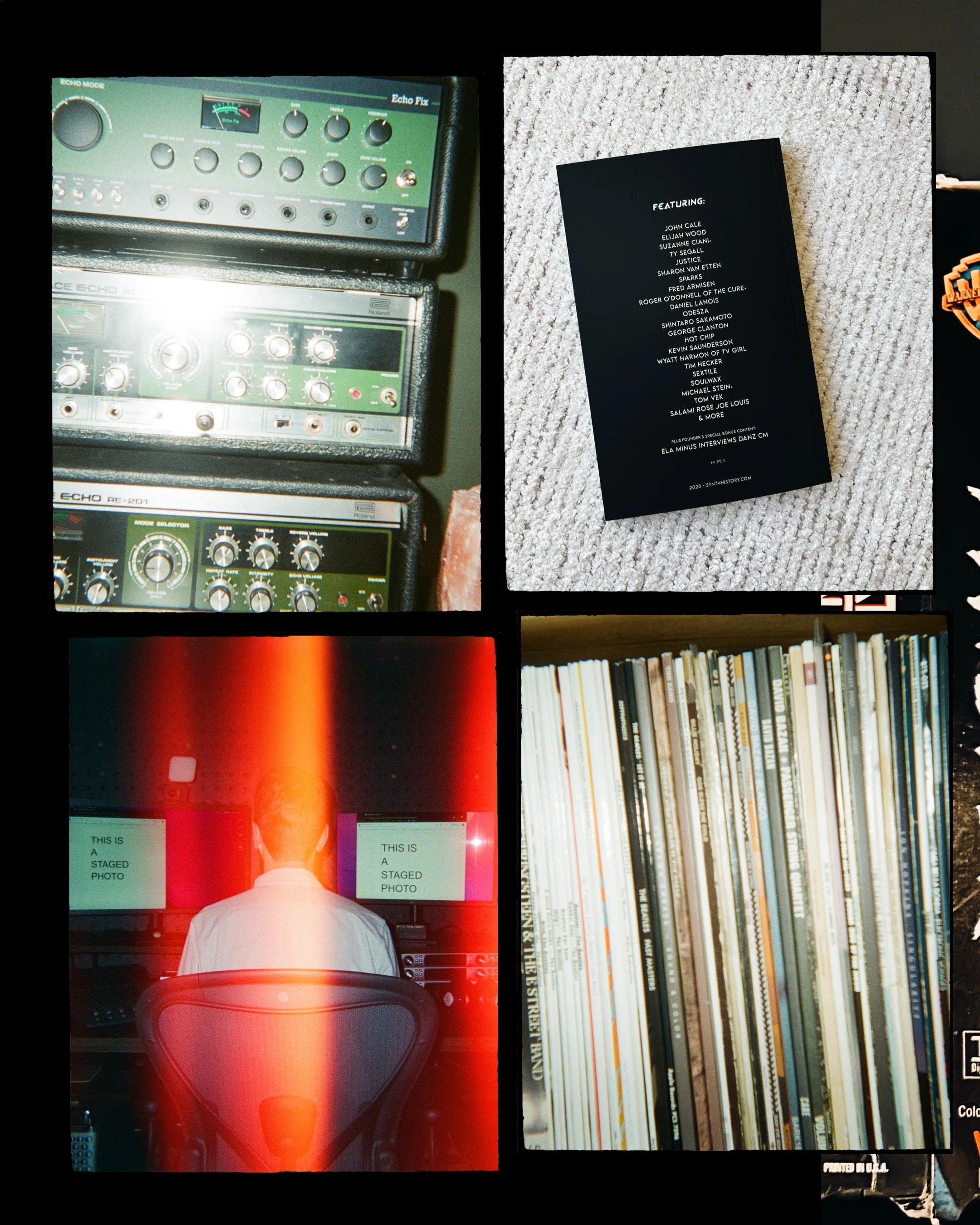
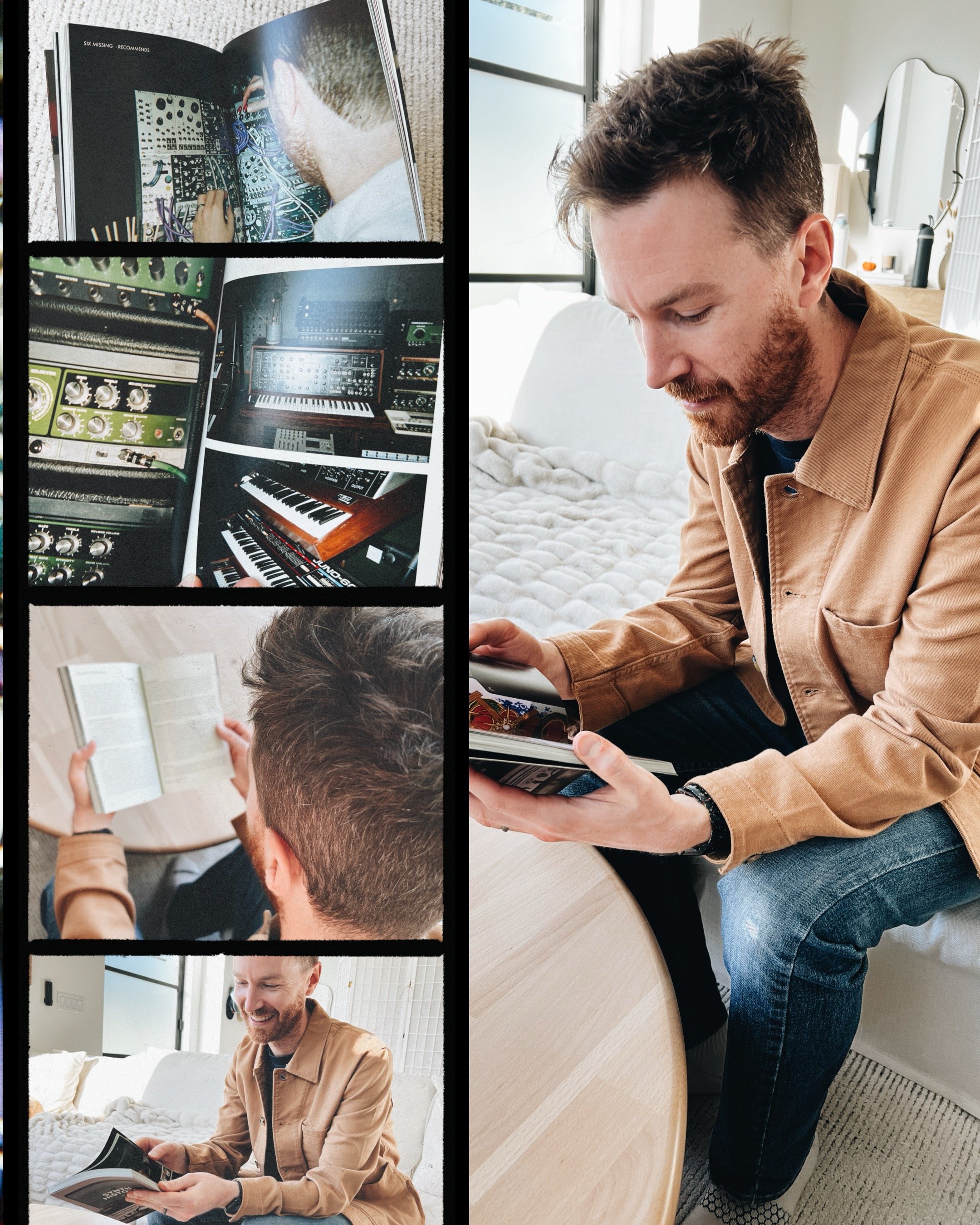
Being Featured in Synth History Vol. 5 -- Finding My Place
You can read the full Recommends feature here:
https://www.synthhistory.com/post/six-missing-recommends
I wanted to share something that genuinely stopped me in my tracks.
I’m featured in Synth History Vol. 5 — the physical zine — and also on their website as part of their Recommends Series.
That still feels surreal to type.
I first discovered Synth History on a plane, flipping through Volume 2, and immediately felt something click. The care in the layout. The tactile feel of the paper. The depth of the writing. It wasn’t just about synths — it was about why we’re drawn to these machines in the first place.
It felt like finding my place.
Fast forward a few volumes later, and now I’m somehow in actual ink, alongside artists I deeply admire. That kind of full-circle moment doesn’t happen often — and when it does, you really feel it in your chest.
Synth History as a Living Document
What Dan and the Synth History team have built is special. This isn’t gear fetishism or trend chasing — it’s documentation. Culture. Memory.
In a time when so much of music exists fleetingly on screens, there’s something grounding about a printed object that asks you to slow down, sit with it, and turn pages. That philosophy mirrors how I like to work musically — hands on, ears open, patience intact.
Holding Vol. 5 feels like holding a small piece of collective history.
The Recommends Series
For the Recommends Series, I was asked to list 10–15 studio essentials — instruments and tools that have shaped how I hear, feel, and create.
What I appreciated most about the prompt was that it wasn’t about productivity or optimization. It was about relationship.
Two pieces I spoke about in depth were my Korg PS-3100 and the EarthQuaker Devices Avalanche Run — both of which feel less like gear and more like collaborators.
The PS-3100 is big, heavy, temperamental, and already feels like it has a will of its own. It’s been in the shop more than once — and I’ll still never give it up. There’s something mystifying about it that I was actively searching for. The interface invites you to touch it, to play, to mess things up and see where they land. Watching Ólafur Arnalds speak about the PS-3100 years ago made me realize he was talking about synths the same way I do — almost poetically. That moment sent me on a long hunt until I finally found one, had it put on a plane, and picked it up at the airport like a precious artifact.
And then there’s the Avalanche Run.
I don’t say this lightly — that pedal changed the entire course of my musical life. I bought it at Main Drag Music in Williamsburg, and the person ringing me up smiled and said, “Hope you enjoy losing time for three days.” They weren’t wrong.
My first Six Missing release was born entirely out of improvising with that pedal — one long session of me playing with it and it playing back at me. It’s a universe. A texture engine. A collaborator that chews sound into something elastic and strange and beautiful. If I ever had to choose just one pedal to perform with, it would be the Avalanche Run. No question.
Gratitude
Huge thanks to Synth History for including me — both in Vol. 5 of the physical zine and online. It means more than I can properly articulate.
And thank you to everyone who listens, supports, reads, and makes space for this kind of slow, intentional work. None of it exists in isolation.
If you’re into synthesizers, ambient music, or thoughtful creative culture, I can’t recommend Synth History enough. And if you can get your hands on a physical copy — do it. Some things really are better when you can hold them.
You can read the full Recommends feature here:
https://www.synthhistory.com/post/six-missing-recommends